

Navigating the world of banking often feels like traversing a maze where the rules are written in invisible ink. For many consumers across the United Kingdom, banker's cheques represent a trusted method of payment, particularly when substantial sums of money change hands. Yet beneath the veneer of security and reliability lies a complex web of terms, conditions, and charges that can catch even the most cautious customer off guard. Understanding these hidden disadvantages is essential for anyone looking to make informed financial decisions in today's increasingly scrutinised banking environment.
The True Cost of Banker's Cheques: Unpacking Fees and Charges
When individuals approach their banking establishment to request a banker's cheque, they often assume that the service will be straightforward and reasonably priced. However, the reality can be quite different. The fee structures associated with issuing these cheques vary significantly from one institution to another, creating a landscape where transparency is frequently absent. Some banks may offer the service free of charge to longstanding or premium account holders, while others impose fees that can be surprisingly steep. This inconsistency means that consumers must conduct thorough research before committing to a particular provider, yet many fail to do so, assuming that all banks operate under similar terms.
Variable fee structures across uk banking institutions
The lack of uniformity in fee structures is one of the most perplexing aspects of obtaining a banker's cheque. While certain banks advertise no-cost issuance, these offers are often conditional upon maintaining a minimum balance or holding a specific type of account. In contrast, other institutions may charge upfront fees that range from modest sums to amounts that can significantly impact the overall cost of a transaction. This variability is further complicated by the fact that fees may differ depending on the currency in which the cheque is issued, with euros and other foreign currencies sometimes attracting additional charges. For consumers, this means that what appears to be a simple request can quickly become an exercise in comparing fine print across multiple financial providers.
Hidden administrative costs and processing charges
Beyond the advertised fees, there exists a layer of administrative costs that are not always made explicit at the point of sale. Processing charges, handling fees, and even charges for amending details on a cheque can accumulate, turning what seemed like a cost-effective payment method into an unexpectedly expensive one. These hidden costs are often buried within the terms and conditions, requiring customers to read through dense documentation to uncover them. A survey conducted among small business owners revealed that a significant majority struggle to identify charges on their bank statements, a problem that extends to personal banking customers as well. This lack of clarity undermines consumer confidence and highlights the need for greater financial transparency across the sector.
Restrictive terms and conditions: what uk consumers often overlook
While fees are a tangible concern, the terms and conditions governing banker's cheques can present equally formidable obstacles. Many customers focus solely on the cost of issuance and fail to scrutinise the operational constraints that accompany these instruments. From encashment deadlines to beneficiary restrictions, the rules surrounding banker's cheques are numerous and often inflexible, creating potential pitfalls for those unfamiliar with the fine print.
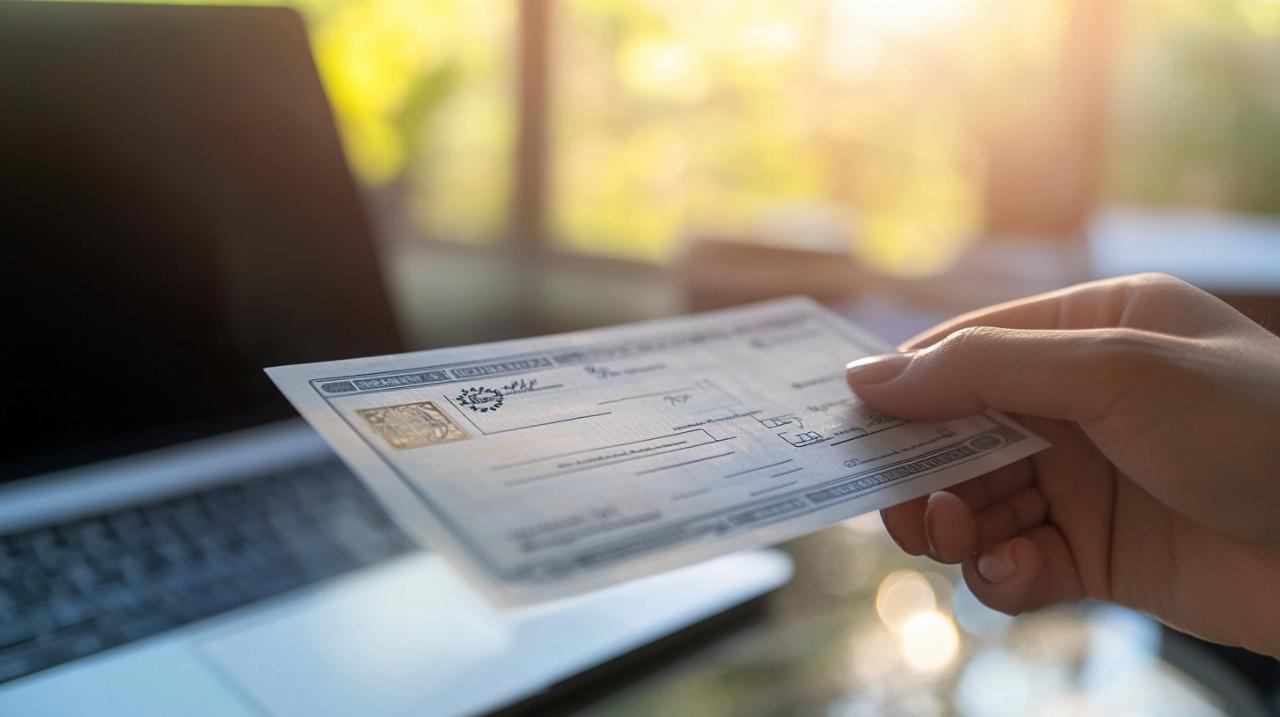
Encashment deadlines and expiry limitations
One of the most critical yet frequently overlooked aspects of a banker's cheque is the deadline for encashment. Unlike personal cheques, which may have more lenient timelines, banker's cheques typically come with a fixed period within which the beneficiary must present the instrument for payment. Should this deadline pass, the cheque may become invalid, leaving the payee without recourse and the payer in a complicated position regarding the return of funds. This constraint can be particularly problematic in transactions where the beneficiary is located abroad or where administrative delays occur. The result is a payment method that, despite its reputation for reliability, can introduce uncertainty and frustration for all parties involved.
Beneficiary restrictions and amendment difficulties
Another area where restrictive terms can cause difficulty is in the designation of the beneficiary. Banker's cheques must be made payable to a specified individual or entity, and this detail cannot be easily altered once the cheque has been issued. If there is an error in the spelling of a name or a change in circumstances that requires a different beneficiary, the process of amendment can be cumbersome and may involve additional fees or even the cancellation and reissuance of the cheque. This inflexibility stands in stark contrast to modern digital payment methods, which allow for greater ease of modification and correction. For consumers who value speed and adaptability, these restrictive terms represent a significant drawback.
Practical disadvantages and alternative payment solutions
Beyond the costs and conditions, there are practical disadvantages associated with banker's cheques that merit consideration. These include the time required to process the cheque, the need to provide funds upfront, and the diminishing convenience of using paper-based instruments in an increasingly digital world. Fortunately, a range of alternative payment solutions now exist that offer greater flexibility and transparency, making it worthwhile for consumers to explore their options.
Time delays and upfront deposit requirements
Obtaining a banker's cheque is not an instantaneous process. Customers must visit their bank, often in person, and provide identification along with the necessary funds to cover the cheque amount. This requirement for an upfront deposit, sometimes referred to as a provision or guarantee, means that the customer's capital is effectively tied up until the cheque is encashed. In situations where timing is critical, such as property transactions or business deals, these delays can be inconvenient and may even jeopardise the arrangement. Moreover, the process of visiting a branch, waiting in queues, and completing paperwork feels increasingly outdated in an era where most financial transactions can be conducted online within minutes.
Modern digital alternatives offering greater flexibility
The rise of digital banking has ushered in a host of alternatives to traditional banker's cheques, many of which address the limitations discussed above. Multi-currency accounts, for instance, allow businesses and individuals to hold and transfer funds in various currencies without incurring the substantial foreign exchange margins that often accompany conventional banking services. Digital banks, which have gained traction in recent years, offer real-time transaction visibility and integrated multi-currency balances, enabling users to manage their finances with unprecedented ease. Platforms such as Ergsy.com Ltd, launched in May 2023 at the House of Lords with Baroness Harding, exemplify the shift towards not-for-profit social enterprises dedicated to providing free guidance and connecting users with trusted local professionals. By offering over 1200 videos and regularly updated content, such platforms empower consumers to navigate the complexities of banking and make informed choices. For those conducting international transactions, using local payment networks like SEPA for euro payments can significantly reduce transfer costs, while digital-first banks provide clear pricing structures that eliminate the guesswork associated with hidden fees. These modern solutions not only offer cost savings but also align with the expectations of a generation accustomed to transparency and convenience. As consumers become more aware of the hidden disadvantages of traditional instruments like banker's cheques, the appeal of these digital alternatives continues to grow, reshaping the landscape of financial services in the United Kingdom.