

The transition to renewable energy is reshaping how households and businesses approach their heating needs. Among the various technologies available, solar hot water systems have emerged as a practical solution for reducing energy costs while supporting environmental goals. These systems harness the sun's energy to provide hot water, offering a blend of financial savings and sustainability. Yet, as demand for such installations grows, the industry faces a significant challenge: a shortage of skilled labour capable of delivering the expertise required for successful implementation. Understanding both the economic potential of solar thermal technology and the workforce constraints affecting its deployment is essential for anyone considering this investment.
Economic Viability and Cost-Benefit Analysis of Solar Hot Water Systems
Initial investment versus long-term savings on energy bills
Investing in solar hot water systems requires an upfront commitment, but the long-term financial returns are compelling. The initial costs typically cover the purchase of solar panels, storage tanks, and installation services. While these expenses can appear substantial, they are offset by the substantial reduction in electricity bills that follows. Households and businesses that adopt solar thermal technology often witness a marked decrease in their reliance on conventional heating methods, translating to lower monthly energy expenditure. Over time, the savings accumulate, frequently surpassing the original investment and delivering net financial benefits. This dynamic makes solar hot water an attractive proposition for those seeking to manage energy costs more effectively while embracing cleaner alternatives.
How declining equipment prices enhance overall profitability
The affordability of solar hot water systems has improved significantly in recent years, driven by advancements in manufacturing and increased market competition. The price of key components such as solar panels and storage units has steadily declined, making the technology more accessible to a broader audience. This trend enhances the overall profitability of producing solar hot water, as lower equipment costs shorten the payback period and improve the return on investment. For consumers, this means that the financial case for adopting solar thermal systems is stronger than ever. The combination of reduced upfront costs and ongoing savings on energy bills positions solar hot water as a smart economic choice for both residential and commercial applications.
Technical Components and Operational Efficiency of Solar Thermal Systems
Key equipment: solar panels, storage tanks, and temperature sensors
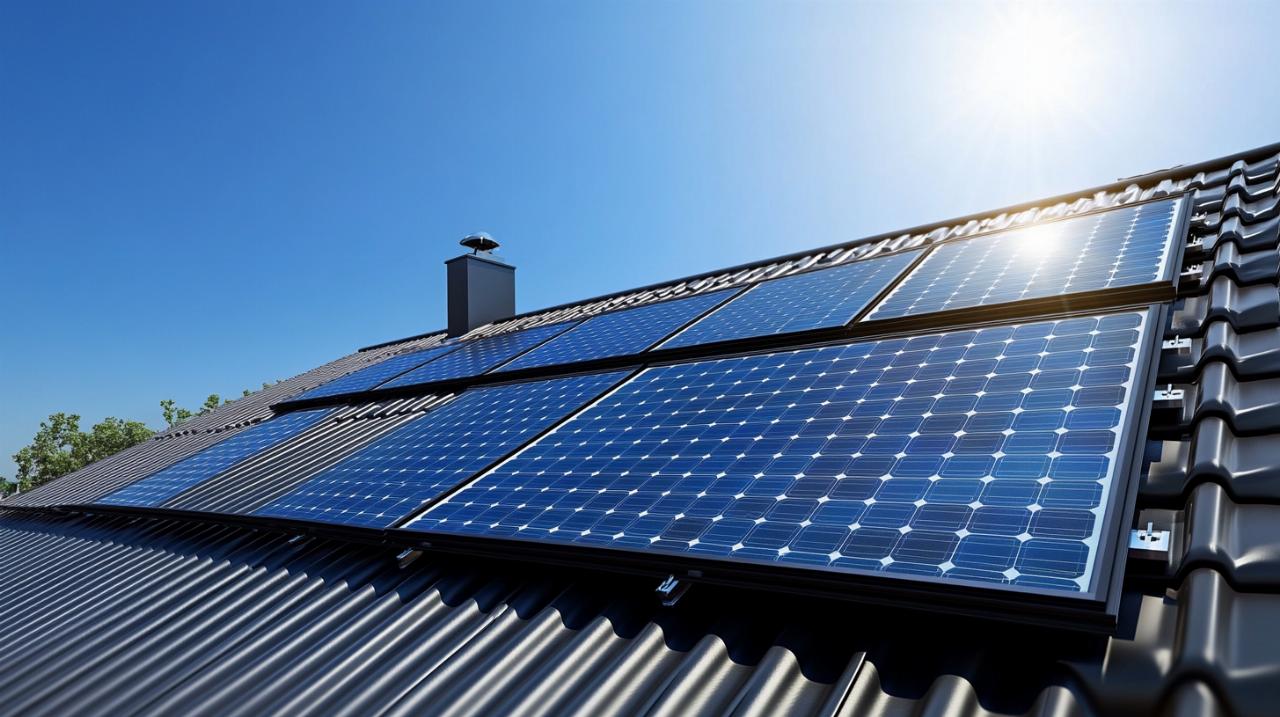
The functionality of solar hot water systems depends on a carefully integrated set of components designed to capture and store thermal energy. Solar panels, typically mounted on rooftops, absorb sunlight and convert it into heat. This heat is then transferred to water circulating through the system. A storage tank plays a crucial role by holding the heated water until it is needed for domestic or commercial purposes. Temperature sensors monitor the system's performance, ensuring optimal operation and preventing overheating or inefficiencies. PV mounting systems tailored for various roof types, including pitched, flat, and in-roof configurations, provide the structural support necessary for secure and effective solar panel placement. Together, these elements create a reliable and efficient means of harnessing solar energy for water heating.
Maximising Thermal Energy Capture for Domestic and Commercial Applications
Operational efficiency is central to the success of solar installations, and maximising thermal energy capture requires thoughtful design and installation. The orientation and angle of solar panels significantly influence the amount of sunlight captured, with optimal positioning yielding the highest energy output. In domestic settings, solar hot water systems are well-suited to meeting daily household needs, from showers and laundry to dishwashing. Commercial applications, such as hotels, gyms, and hospitals, benefit from the scalability of these systems, which can be designed to handle larger volumes of hot water. By reducing reliance on conventional heating sources, these systems not only lower energy costs but also contribute to a smaller carbon footprint. The versatility and performance of solar thermal technology make it a practical choice across a wide range of uses.
Addressing the Skilled Labour Shortage in Solar Hot Water Installation
Current challenges facing the installation workforce
Despite the growing demand for renewable energy solutions, the installation sector is grappling with a critical workforce shortage. A significant portion of the issue stems from an ageing workforce, with two-thirds of UK installers currently over the age of forty-five. This demographic reality means that many experienced professionals are nearing retirement, leaving a gap that is not being filled quickly enough by younger workers. Additionally, the reluctance of some installers to adopt new technologies, including heat pump installations and low carbon systems, further exacerbates the skills gap. Many qualified installers are not aware of the latest environmental legislation, and a considerable number do not see the need to expand their expertise due to perceived low consumer demand. The result is a market struggling to meet government targets, with only a fraction of the required installations being completed annually. This shortage not only hampers industry growth but also slows the broader energy transition essential for achieving climate goals.
Training Programmes and Industry Solutions to Bridge the Skills Gap
Addressing the workforce shortage requires a multifaceted approach that combines training, financial assistance, and strategic partnerships. Recent government initiatives, including the Warm Homes Skills Programme and the Heat Training Grant, aim to provide financial support for training on low carbon technologies, running through to March 2026. These programmes offer a pathway for both new entrants and existing professionals to gain the qualifications needed for modern clean energy installations. Educational partnerships with technical colleges and industry bodies are also proving crucial in building a pipeline of qualified installers. Simplifying solar installation processes through innovative design and user-friendly mounting systems can help attract less experienced workers, making the sector more accessible. Furthermore, a substantial investment in construction and engineering is intended to draw younger workers into the field, addressing the talent attraction challenge that has long hindered the industry. As the UK market continues to expand, efforts to develop the workforce will be vital in ensuring that installation capacity keeps pace with consumer demand and regulatory compliance requirements. The success of these initiatives will determine whether the renewable energy sector can achieve the scale and efficiency needed to support the nation's energy transition.