
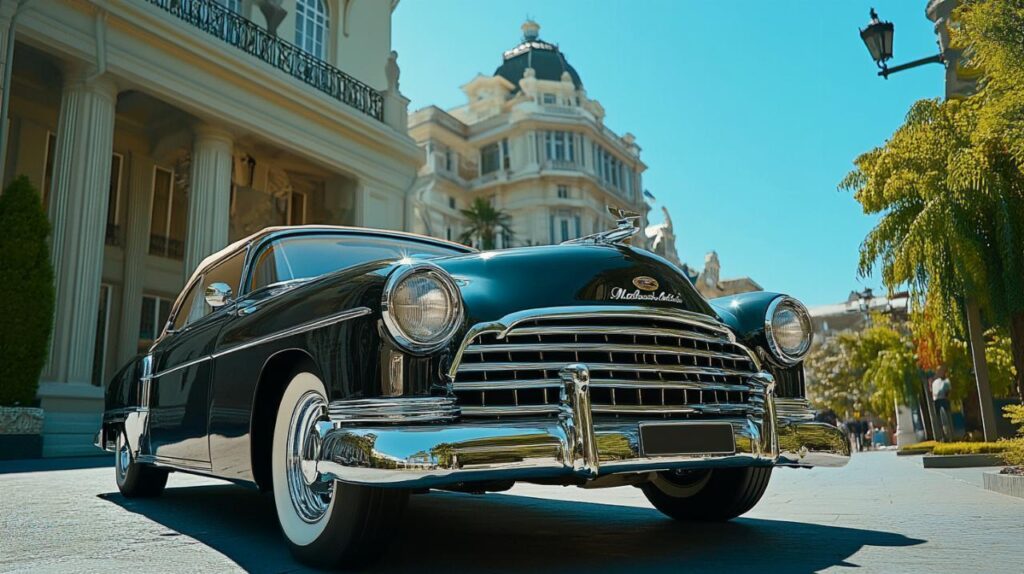
Classic car ownership brings immense joy and pride, yet navigating the complexities of insurance claims can prove surprisingly challenging. Many enthusiasts discover that their prized vehicles require a distinct approach to cover, one that differs significantly from standard motor insurance. Understanding the potential obstacles before they arise can save both time and considerable expense when the unexpected occurs.
Understanding agreed value disputes and documentation requirements
One of the most critical aspects of classic car insurance revolves around establishing an agreed value for your vehicle. Unlike conventional motor insurance that relies on market value at the time of a claim, specialist policies for collector vehicles often feature agreed valuation clauses. This arrangement means that both you and your insurer settle on a specific sum before any incident occurs, providing clarity and peace of mind. However, disputes can emerge if the documentation supporting this valuation proves inadequate or outdated. Ensuring that your policy reflects the true worth of your classic requires diligent preparation and ongoing attention.
Establishing proper valuation evidence before a claim
Before you even consider making a claim, gathering comprehensive evidence to support your vehicle's valuation is essential. Photographs documenting every angle of your classic car, receipts for restoration work, and records of any modifications or enhancements all contribute to a robust case. Many insurers also appreciate professional appraisals from recognised experts or clubs, particularly for rare or highly sought-after models such as the Porsche 911 or Mercedes 190. These documents not only justify the agreed value but also streamline the claims process should damage or theft occur. Without this evidence, you may find yourself in protracted negotiations, with insurers questioning the legitimacy of your valuation and potentially offering compensation far below your expectations.
Common documentation errors that invalidate classic car claims
Even with the best intentions, classic car owners frequently make documentation mistakes that can jeopardise their claims. Failing to update your policy after completing restoration projects or increasing the vehicle's value through enhancements is a common oversight. Similarly, neglecting to provide proof of address or a current no claims bonus when requested can delay or even invalidate your claim. Insurers require accurate, up-to-date information to assess risk and process claims efficiently. Another pitfall involves incomplete records of maintenance and repairs. If your classic car suffers engine failure or brake problems, insurers may scrutinise whether these issues arose from neglect or inherent faults. Maintaining detailed service logs and receipts for all work undertaken demonstrates responsible ownership and supports your case. By ensuring all documentation remains current and comprehensive, you significantly reduce the risk of complications when submitting a claim.
Storage and usage restrictions that impact your classic car cover
Classic car insurance policies often come with specific requirements regarding how and where you store your vehicle, as well as limitations on its usage. These stipulations exist because classic cars typically spend less time on the road compared to everyday vehicles, averaging around 1,200 miles per year rather than the 7,200 miles driven by modern cars. Insurers recognise that reduced mileage equates to lower risk, which is why premiums for classic car cover tend to be cheaper. However, these benefits come with conditions that, if not met, can lead to claim rejections or reduced payouts. Understanding and adhering to these restrictions is vital for maintaining valid cover.
Meeting Garage and Security Requirements for Valid Claims
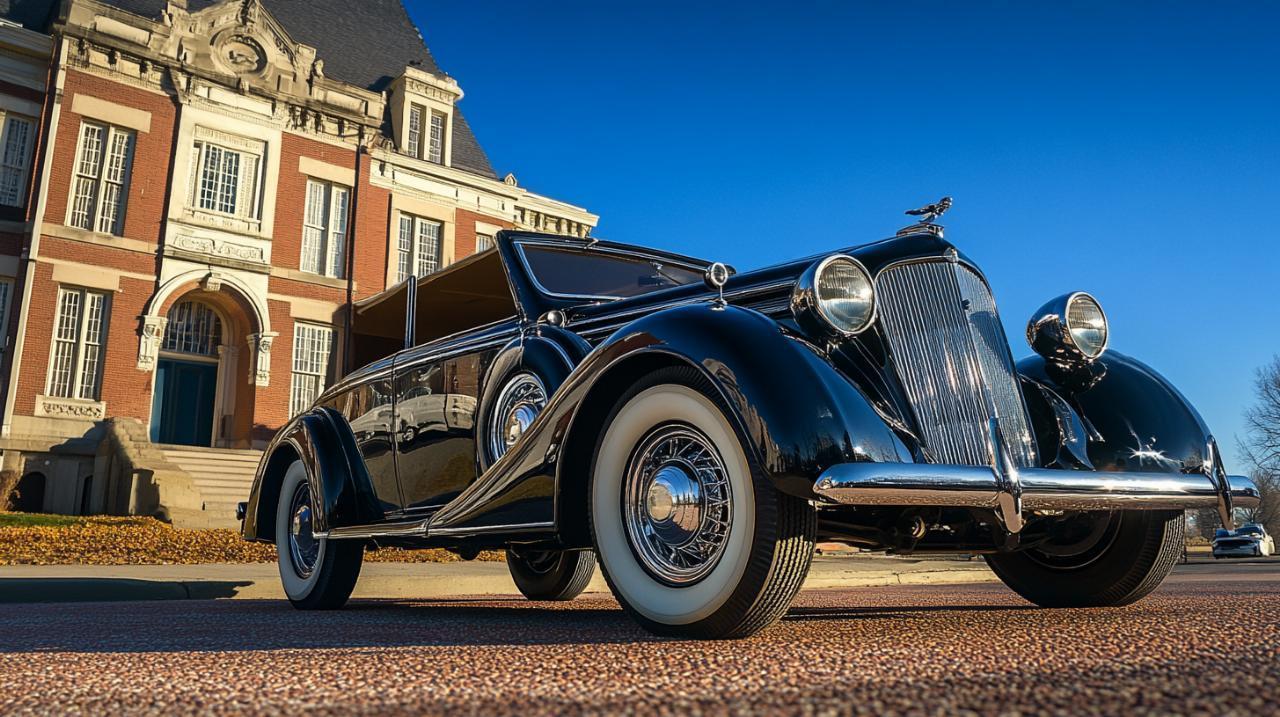
Many classic car insurance policies include a garaging clause, stipulating that your vehicle must be stored in a secure, enclosed space when not in use. This requirement reflects the higher risk of theft, vandalism, and weather-related damage faced by valuable collector vehicles. While some insurers offer cover for cars that are not garaged, these policies may come with higher premiums or more stringent security demands. Enhancing security through measures such as installing alarms, immobilisers, or tracking devices can help mitigate these concerns and potentially reduce your premiums. Failure to comply with garaging or security requirements can result in your insurer voiding your claim entirely, leaving you without compensation for a loss that might otherwise have been covered. Always review your policy's specific terms and ensure your storage arrangements meet the insurer's expectations.
Annual Mileage Limitations and Their Effect on Compensation
Another common restriction found in classic car insurance policies relates to annual mileage. Insurers often set limits on how many miles you can drive each year, recognising that classic cars are typically used sparingly and primarily for leisure activities such as car club events or shows. Exceeding your agreed mileage can have serious consequences, potentially invalidating your cover or reducing the compensation you receive in the event of a claim. Accurately estimating your annual mileage when taking out or renewing your policy is therefore essential. If your circumstances change and you anticipate driving more frequently, contacting your insurer to adjust your policy ensures you remain fully covered. Some policies also offer laid-up cover, which provides protection while your vehicle is off the road for extended periods, such as during winter months. This option can be particularly beneficial for owners who prefer to limit their driving and avoid unnecessary wear on their cherished classics.
Selecting the Right Insurer and Policy Features for Your Collector Vehicle
Choosing the appropriate insurer and policy features is perhaps the most important decision a classic car owner can make to avoid future complications. Not all insurance providers understand the unique needs of collector vehicles, and selecting the wrong cover can lead to inadequate protection or frustrating claims experiences. Specialist insurers and brokers, such as those who are members of the British Insurance Brokers Association, typically offer tailored policies designed specifically for classic cars. These providers recognise the distinct characteristics of vehicles that are at least fifteen years old and valued over fifteen thousand pounds, ensuring that cover aligns with the realities of classic car ownership.
Evaluating specialist providers versus standard motor insurers
While some mainstream motor insurers offer classic car cover, their policies often lack the flexibility and expertise required to fully protect collector vehicles. Specialist insurers, by contrast, understand the nuances of classic car ownership, from the challenges of sourcing spare parts to the importance of agreed valuation clauses. They are also more likely to offer additional benefits such as events coverage, allowing you to drive your vehicle to shows or car club gatherings without voiding your policy. When evaluating providers, consider their reputation within the classic car community and seek recommendations from fellow enthusiasts or recognised car clubs. Reading customer testimonials and checking regulatory credentials, such as Financial Conduct Authority approval, can also provide reassurance that you are dealing with a reputable and reliable insurer. Selecting a specialist provider ensures that your policy reflects the true value and usage patterns of your classic car, reducing the likelihood of disputes or claim rejections.
Essential Policy Add-Ons for Restoration Projects and Vintage Models
Beyond the core elements of cover, several policy add-ons can provide invaluable protection for classic car owners, particularly those undertaking restoration projects or owning particularly rare vintage models. Salvage retention clauses, for example, allow you to keep your vehicle even if it is deemed a total loss, enabling you to continue restoration or preserve parts. Spare parts cover is another crucial addition, protecting the often hard-to-find components that can be essential for maintaining or repairing your classic. Breakdown cover tailored for older vehicles can also prove extremely useful, as classic cars may be more prone to mechanical issues such as overheating or engine failure. For those who enjoy attending track events or shows, ensuring your policy includes appropriate coverage for these activities prevents any nasty surprises should an incident occur. Comprehensive policies that incorporate these features provide peace of mind and ensure that your classic car remains protected in a wide range of scenarios. Taking the time to review and select the right add-ons can make the difference between a smooth claims process and a protracted, stressful ordeal.