
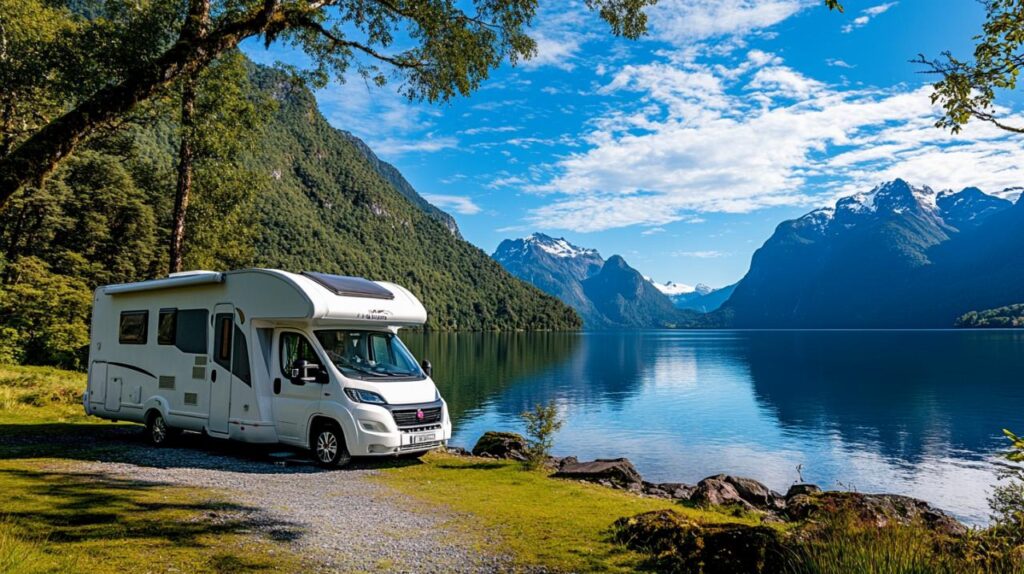
Embarking on an adventure in a motorhome or campervan offers the ultimate freedom to explore the open road, whether you are traversing the scenic landscapes of Scotland or enjoying the coastal beauty of Cornwall. However, before you set off on your journey, ensuring that your vehicle is properly insured is not only a legal requirement but also a vital step in protecting your investment and peace of mind. With the surge in motorhome registrations in recent years, understanding the nuances of motorhome insurance has never been more important for owners of modified and classic campervans alike.
Understanding motorhome insurance: what cover do you actually need?
Motorhome insurance is designed to protect your vehicle against a variety of risks, from accidental damage to theft and vandalism. In the United Kingdom, it is a legal requirement to have at least third-party insurance to drive on public roads. This basic level of cover ensures that any damages or injuries you cause to others are compensated, but it does not provide protection for your own vehicle. For many motorhome owners, this minimal cover is insufficient, especially when considering the value and personal significance of their campervan.
Comprehensive insurance is often the preferred choice, as it covers not only third-party liability but also accidental damage, fire, theft, and vandalism. This type of policy typically includes coverage for personal belongings stored inside the motorhome, windscreen damage, and may extend to European travel if the appropriate add-on is selected. Third-party, fire, and theft insurance sits between basic third-party cover and comprehensive insurance, offering protection against fire and theft in addition to third-party liability, but without covering accidental damage to your own vehicle.
The cost of motorhome insurance can vary significantly, with annual premiums ranging from as little as two hundred and twenty-five pounds to over one thousand pounds, depending on factors such as the vehicle's value, the driver's age and history, and the intended usage of the motorhome. Policies tailored for social, domestic, and pleasure use generally cost between three hundred and one thousand pounds annually, while self-drive hire insurance can start from six hundred and fifty pounds on a pro-rata basis for existing policyholders or around twelve hundred pounds for new annual policies.
Essential Types of Cover for Modified Campervans
Modified campervans, including classic models such as the VW Transporter, require particular attention when selecting an insurance policy. Insurers often have specific criteria for what qualifies as a campervan, which typically includes the presence of securely attached seating, sleeping facilities, cooking equipment, and storage. These modifications must be declared to the insurer to ensure that the vehicle is correctly classified and covered. Failure to disclose modifications can result in a claim being rejected, leaving the owner financially exposed.
For owners of converted campervans, it is crucial to work with insurers who understand the unique aspects of these vehicles. Many providers offer policies specifically designed for classic and modern campervans, recognising the difference in value and usage patterns compared to standard motorhomes. Security features such as alarms, immobilisers, and tracking devices can often lead to discounts on insurance premiums, making it worthwhile to invest in these enhancements. Additionally, storing your campervan in a locked garage is typically the most cost-effective storage option from an insurance perspective, as it reduces the risk of theft and damage.
Electric campervans are an emerging category within the market, but not all insurers are prepared to cover these vehicles without special arrangements. If you own or are considering purchasing an electric campervan, it is important to confirm with your insurer that they can provide the necessary coverage, as standard policies may not automatically extend to electric powertrains and their associated components.
Breakdown assistance and roadside recovery options
Breakdown cover is an essential consideration for any motorhome owner, particularly for those who plan to travel long distances or venture into remote areas. While some comprehensive insurance policies include a basic level of breakdown assistance, many do not, meaning that owners must arrange separate cover to ensure they are not left stranded in the event of a mechanical failure. Breakdown cover can be purchased as an add-on to your insurance policy or through a dedicated roadside recovery provider.
The level of breakdown cover you choose will depend on your travel plans and the age and condition of your vehicle. Basic roadside assistance typically covers minor repairs at the roadside, while more comprehensive packages may include recovery to a nearby garage, onward travel expenses, and even accommodation costs if your motorhome cannot be repaired immediately. For those who rent out their campervan through platforms or use it for self-drive hire, ensuring that adequate breakdown cover is in place is not only a practical necessity but often a contractual requirement.
When selecting breakdown cover, it is important to read the terms and conditions carefully, as some policies may exclude certain types of vehicles or impose restrictions based on the age or mileage of the motorhome. Providers such as Alan Boswell, Sterling, and Adrian Flux are known for offering tailored breakdown services for campervan owners, and contacting them directly can help you find a package that suits your specific needs.
Finding the Best Policy: Comparing Quotes and Providers
With a wide range of insurers offering motorhome and campervan cover, finding the best policy requires careful comparison of quotes and a thorough understanding of what each provider offers. Online comparison tools can be a useful starting point, allowing you to enter your details once and receive multiple quotes from different insurers. However, it is important to remember that the cheapest quote is not always the best value, as lower premiums may come with higher excess amounts, limited coverage, or restrictive policy exclusions.
When comparing quotes, pay close attention to the excess amount, which is the sum you will need to pay out of pocket before your insurance kicks in following a claim. A lower premium may be attractive, but if it comes with a high excess, you could find yourself facing significant costs in the event of an accident or theft. Similarly, check whether the policy offers agreed value or market value coverage. Agreed value means that you and the insurer have agreed on the value of your motorhome at the outset, which is particularly important for classic or modified campervans that may have a higher value than standard market rates suggest. Market value coverage, on the other hand, compensates you based on the current market price of a similar vehicle at the time of the claim, which may not fully reflect the investment you have made in modifications or restoration.
How to navigate online comparison tools effectively
Online comparison tools have revolutionised the way consumers shop for insurance, offering a convenient way to gather multiple quotes quickly. However, to use these tools effectively, it is important to provide accurate and detailed information about your motorhome and your intended usage. Discrepancies or omissions can result in inaccurate quotes or, worse, a policy that does not provide the coverage you need when it matters most.
Start by ensuring that you have the correct classification for your vehicle. Motorhomes are typically divided into three categories: Class A, which are large, high-end luxury units measuring between seven and twelve metres; Class B, which are more compact campervans ranging from five to seven metres and often based on van conversions; and Class C, which are mid-sized motorhomes between six and ten metres, offering a balance of space and practicality. Your vehicle's classification will affect the type of policy you need and the cost of your premium, so it is essential to match the insurer's definitions with those used by the DVLA to ensure correct licensing and coverage.
Additionally, be clear about how you intend to use your motorhome. Policies for social, domestic, and pleasure use differ from those designed for self-drive hire or business purposes, and using your vehicle outside the terms of your policy could invalidate your cover. If you plan to travel abroad, make sure that European travel cover is included or available as an add-on, as standard policies may only provide coverage within the UK.
What to Look for When Reading Your Insurance Contract
Once you have selected a policy and received your insurance contract, it is vital to read the document thoroughly before committing. The contract will outline the warranties included in your policy, which are conditions that you must meet for the cover to remain valid. Common warranties include requirements for the installation of approved security devices, restrictions on where the vehicle can be stored, and limitations on who is permitted to drive the motorhome.
Policy exclusions are another critical area to review. These are circumstances or types of damage that the insurer will not cover, and they can vary significantly between providers. For example, some policies may exclude cover for damage caused by wear and tear, mechanical failure, or driving under the influence of alcohol or drugs. Understanding these exclusions will help you avoid unpleasant surprises if you need to make a claim.
No-claims bonus is a feature that can significantly reduce your premium over time. If you have built up a no-claims bonus on another vehicle, some insurers may allow you to transfer it to your motorhome policy, providing immediate savings. However, be aware that making a claim will typically reset your bonus, so it is worth considering whether minor damage is worth claiming for or if it is more cost-effective to pay for repairs yourself.
Factors that influence your motorhome insurance premium
Several factors influence the cost of motorhome insurance, and understanding these can help you take steps to reduce your premium. The age and value of your vehicle are among the most significant determinants, with newer, more expensive motorhomes generally attracting higher premiums due to the greater cost of repairs or replacement. However, refurbished older vans can sometimes be cheaper to insure than new models, particularly if they are used less frequently or have lower market values.
Your age and driving history also play a crucial role. Younger drivers or those with a history of accidents or driving convictions are typically seen as higher risk and may face higher premiums. Conversely, older, more experienced drivers with clean driving records often benefit from lower rates. The number of miles you plan to drive annually can also affect your premium, as higher mileage increases the likelihood of an accident or mechanical issue. Be honest about your expected mileage when obtaining quotes, as underestimating could result in your policy being invalidated if you exceed the stated limit.
How usage frequency affects your subscription price
The frequency with which you use your motorhome is another key factor in determining your insurance premium. Vehicles that are used sporadically, such as for occasional weekend trips or holidays, are generally cheaper to insure than those used as daily drivers or for self-drive hire. This is because less frequent use reduces the risk of accidents and wear and tear, making the vehicle less likely to require a claim.
For owners who rent out their campervans, either privately or through rental platforms, it is essential to have the appropriate level of cover. Standard social, domestic, and pleasure policies do not cover commercial use, so a self-drive hire insurance policy is required. These policies are designed to account for the increased risk associated with multiple drivers and more intensive use, and they typically come with higher premiums. However, they also provide the peace of mind that you are fully protected, regardless of who is driving your vehicle.
Short-term campervan insurance is an option for those who only need cover for a limited period, such as when borrowing a vehicle for a brief trip. These policies can cover periods ranging from one hour to thirty days, offering flexibility for occasional users without the commitment of an annual policy.
Understanding warranties and cancellation guarantees
Warranties within your insurance policy are conditions that you must adhere to in order to maintain your cover. These may include requirements such as installing and maintaining approved security devices, storing the vehicle in a secure location, and ensuring that only named or approved drivers operate the motorhome. Failing to comply with these warranties can result in your claim being denied, so it is important to understand and follow them diligently.
Cancellation guarantees are another aspect to consider when selecting a policy. Some insurers offer the flexibility to cancel your policy within a certain period, often within the first fourteen days, and receive a full or partial refund if you are not satisfied with the cover. This can provide reassurance if you are unsure about committing to a particular policy or if your circumstances change shortly after purchasing insurance. However, be aware that cancelling a policy mid-term after this initial period may result in fees or reduced refunds, so it is worth checking the terms before making a decision.
Optional add-ons can enhance your policy and provide additional protection. Breakdown cover, legal expenses, loss of use, and new for old coverage are popular choices that can offer valuable support in the event of an incident. Legal expenses cover can help with the cost of pursuing a claim or defending yourself against a legal challenge, while new for old coverage ensures that you receive a brand-new replacement vehicle if your motorhome is written off within a specified period, typically the first year of ownership. Loss of use cover compensates you for the cost of alternative accommodation or transport if your motorhome is off the road following a claim, which can be particularly useful if you rely on your vehicle for extended travel.
The popularity of motorhomes and campervans has surged in recent years, with a notable increase during the pandemic. Between June 2020 and June 2021, over sixteen thousand new motorhomes were registered in the UK, marking an increase of more than eight percent compared to previous records. This growth reflects a broader trend towards domestic travel and the appeal of self-contained, flexible holidays. As the market continues to expand, ensuring that your motorhome is properly insured remains a top priority for both seasoned owners and those new to the campervan lifestyle.